
Best 5-Star Hotels In Japan
Updated: Mar 25
Our top 15 luxury 5-Star hotels in Japan

Article summary>>
In this article, we list our top 15 luxury 5-Star hotels in Japan.
Best 5-Star Hotels In Japan
1 - Bvlgari Hotel Tokyo.

High above Tokyo Midtown Yaesu, Bulgari’s Japan outpost feels like a calm perch over the city. The look is unmistakably Italian, polished stone, bronze accents, custom furniture, softened by warm light and big-sky views of Marunouchi, the Imperial Palace gardens, and, on clear days, Mount Fuji. Rooms are clean-lined and quietly luxurious: proper wardrobes, great beds, intuitive tech, and marble bathrooms with deep tubs that make jet lag negotiable.
The Bulgari Spa is a standout, featuring a long indoor pool that overlooks the skyline, well-equipped hydrotherapy areas, and treatments that strike a balance between science and indulgence. The fitness studio actually covers everything you need. Il Ristorante anchors dining – Niko Romito, which keeps flavours precise and unfussy, and the Bulgari Bar, where sunset turns the windows into a light show. There’s also a wonderful chocolate boutique for last-minute gifts.
Service lands in that sweet spot: polished but relaxed, clearly proud of the house without a hard sell. The crowd is a mix of design-minded travellers, business guests who appreciate quiet, and locals meeting for a proper Negroni.
Location: steps to Tokyo Station and Yaesu’s new shopping galleries, a short walk to Nihonbashi, and quick rides to Ginza and the Palace. Big-city energy at street level, measured serenity up top.
2 - Aman Tokyo.

Set atop the Otemachi Tower, Aman Tokyo feels like a serene sanctuary above the business core. The arrival opens to a soaring, shoji-screened atrium with washi-soft light, stone, and cedar minimalism with warmth. Rooms are generously sized by Tokyo standards, blending ryokan cues with modern comfort: tatami accents, deep ofuro soaking tubs, large windows that frame the Imperial Palace gardens or the skyline toward Tokyo Bay. Tech is intuitive, storage is ample, and the beds are the kind you don’t argue with.
Wellness is the signature draw. The Aman Spa stretches across an entire floor with a striking 25-meter pool facing the city, hot stone baths, steam, and calm treatment suites; morning laps or a late soak become ritual. The fitness studio is well kitted, with trainers who actually notice form. Dining is focused and polished: Arva serves seasonal Italian with Japanese produce, the lounge handles quiet breakfasts and afternoon tea, and the bar pours measured cocktails with sunset views that do the heavy lifting.
The mood is quiet, low-key, design fans comparing notes, couples letting the city blur below. Location lands you steps from Otemachi and Tokyo stations, a stroll to the Imperial Palace moat, and quick rides to Ginza, Nihonbashi, and Marunouchi. Big-city access, temple-calm finish.
3 - Janu Tokyo.

Aman’s sociable sibling lands in Azabudai Hills with light, warmth, and a welcome sense of ease. Janu Tokyo trades hush for energy: pale woods, soft curves, plants everywhere, and picture windows that pick up Tokyo Tower or the new district’s gardens. Rooms are generous for the city, many with private balconies (a rarity) plus great beds to sink into, intuitive lighting, and stone-and-wood bathrooms with soaking tubs and solid water pressure. Storage is sensible; the minibar favours good tea and proper glassware over gimmicks.
Wellness is a real focus. A sleek lap pool, hot-and-cold zones, and calm treatment rooms sit alongside a big, daylight-filled gym and dedicated studios for boxing, cycling, and yoga. You can be social or solitary without friction. Dining is a small circuit in itself: a lively Mediterranean spot, a polished Japanese counter, a bakery for morning coffee and excellent bread, and a bar that catches the glow of early evening without turning into a scene.
The mood is upbeat but relaxed, design-minded travellers, locals meeting after work, weekend couples timing sunset on the balcony. Staff are quick, kind, and unpretentious.
Location works. You’re in Azabudai Hills, an easy walk to Roppongi and Toranomon, a short ride to Ginza, with green pockets, galleries, and restaurants layered at your feet. Big-city access, low-stress landing.
4 - The Tokyo Edition, Ginza.
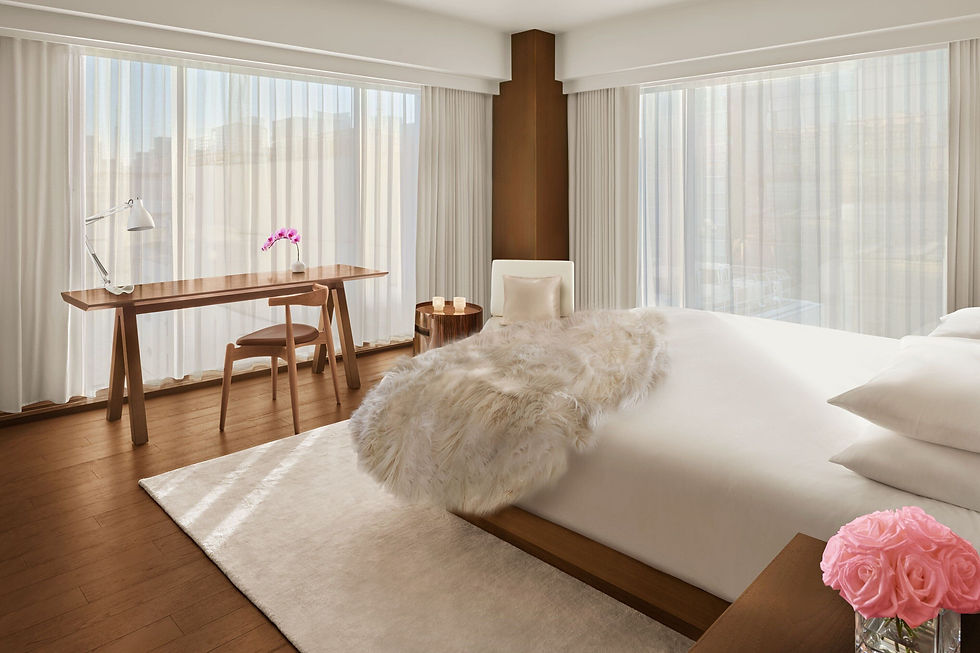
In a neighbourhood that prizes polish, this EDITION keeps things sharp and quietly glamorous. The lobby reads like a modern salon with clean lines, warm wood, soft lighting and a bar that wakes up with espresso and ends the day with proper cocktails. Rooms are compact by design but thoughtfully laid out: great beds, smart storage, blackout shades, and floor-to-ceiling windows that pull in Ginza’s glow. Bathrooms bring stone, generous walk-in showers, and mirrors that don’t fight the lighting. Higher floors catch slivers of Tokyo Tower or the neon grid after dark.
Amenities feel targeted rather than overbuilt. There’s a capable fitness studio, all-day dining with seasonal Japanese produce, and a lounge that doubles as a co-working hideout by day and a low-lit perch at night. In-room dining arrives fast and hot; turndown gets the details right. Service is crisp, kind, and switched on, with concierges who actually secure that last-minute table and sketch a sensible gallery route.
The mood is urbane without attitude: fashion buyers passing through, couples on a quick city break, business travellers who appreciate design and decent coffee.
Location is the point. Step straight onto Chuo-dori for flagship boutiques, stroll to Ginza Six, Kabukiza, and Yurakucho’s under-tracks bars; subways sit within minutes. Big-city charge outside, calibrated calm inside.
5 - Four Seasons, Otemachi.

High in Otemachi Tower, Four Seasons reads like a calm lookout over the city. The arrival floor opens to sky-wide views of the Imperial Palace treetops and Marunouchi’s grid; interiors mix cedar tones, stone, and washi textures without feeling precious. Guest rooms are generously sized for Tokyo, with well-placed seating by the windows, discreet closets, and intuitive controls. Bathrooms earn their keep: deep soaking tubs, separate showers, and lighting that flatters, not fights.
Wellness sits a few floors up: a bright indoor lap pool facing the skyline, a tidy thermal area, and treatments that lean modern rather than spa-mythic. The fitness studio is spacious and properly equipped. Eating well is easy. PIGNETO does breezy Italian on a wraparound terrace; est refines Paris-meets-Japan cooking; VIRTÙ pours serious cocktails with a Left Bank accent; The Lounge covers breakfast, tea, and late desserts without fuss. In-room dining arrives fast and hot.
The tone throughout is polished but relaxed, business travellers exhaling after meetings, design-minded couples timing sunset, families making smart use of the space. Staff are efficient, kind, and solution-oriented.
Location works in real life: direct access to Otemachi Station, a 10–15-minute walk to Tokyo Station, steps to the Imperial Palace moat, and quick rides to Ginza, Nihonbashi, and Akihabara. Big-city reach, quiet finish.
6 - Palace Hotel Tokyo.

Right on the edge of the Imperial Palace gardens, this glassy, light-filled hotel treats Tokyo’s busiest district to a rare dose of breathing room. The lobby opens to water and trees; polished stone and pale woods keep the mood quietly refined rather than formal. Guest rooms are spacious for the city and thoughtfully arranged, with sofa nooks by the window and one of the city’s rare perks: private balconies in many categories overlooking the moat. Beds are terrific, storage is sensible, and bathrooms bring deep soaking tubs plus separate rain showers.
Wellness sits several floors up with a calm indoor pool facing the greenery, a small thermal area, and a well-equipped fitness studio. The on-site spa focuses on clean, effective treatments rather than theatrics. Eating well is easy: an all-day restaurant with a terrace for breakfast in good weather, a polished Japanese dining room, a classic bar for nightcaps, and pastry that’s worth a detour.
The tone is relaxed and precise, couples planning a city day over coffee, families leaning into the space and views. Staff are courteous, fast, and quietly proactive.
Location is great: direct access to Otemachi and a short walk to Tokyo Station, with Marunouchi, Nihonbashi, and Ginza a quick hop away. City energy at street level; garden calm upstairs.
7 - The Okura Tokyo.

A short walk from Toranomon Hills, The Okura blends fresh glass-and-steel towers with the beloved mid-century calm of its reborn Main Lobby: shoji-soft light, lacquered screens, and those hexagonal lamps everyone photographs. Rooms are split between the Heritage Wing (warmer woods, residential feel) and the Prestige Tower (higher floors, bigger views). Expect great beds, quiet air-con, thoughtful storage, and stone bathrooms with deep tubs and separate walk-in showers. Controls and tech are intuitive, and blackout shades actually block Tokyo’s glow.
Wellness runs deep in Okura. There’s a sleek pool with city views, a serious fitness club, and a spa that favours clear, effective treatments over storytelling. Dining covers a lot without feeling scattered: long-running Yamazato for refined kaiseki and tempura, Sazanka for teppanyaki with a skyline backdrop, a polished French option, and a lobby lounge where tea service is an easy habit. The bar upstairs pours classic cocktails with low lighting and a quiet soundtrack.
The mood is composed and quietly proud: couples who appreciate order, design fans revisiting, and solo's on weekend getaways. Staff are precise, kind, and quick to solve small snags before they become big ones.
Location is practical. You’re between Toranomon, Akasaka, and Roppongi; subways are close; the Imperial Palace and Hibiya Park are quick rides away. Big-city access, measured finish.
8 - The Prince Gallery Tokyo.

The Prince Gallery sits in the upper floors of Tokyo Garden Terrace, trading street noise for big-sky views. The lobby is a glassy aerie with sculptural lighting and sightlines that pull you toward Tokyo Tower after dark. Rooms feel purpose-built for unwinding: floor-to-ceiling windows, great beds, intuitive controls, and thoughtful touches like humidifiers and Nespresso. Many bathrooms add deep soaking tubs beside the glass, so the skyline becomes part of the ritual.
Wellness is a strong suit. The indoor pool and hot zones face the city; the spa keeps treatments crisp and effective; the gym runs 24/7 with proper cardio and weights. Dining covers moods without scattering focus: a breezy all-day venue for breakfasts and easy lunches, a refined Japanese restaurant for seasonal courses, and a bar-lounge where cocktails meet panorama. In-room dining arrives quickly and at the right temperature.
The tone is polished yet relaxed, and business travellers, weekend couples, and design-minded guests parked by the windows. Staff are proactive and welcoming, steering you to the right table or train without drama.
Location lands you between Akasaka and Nagatacho, with multiple subway lines below. It’s a short hop to the Imperial Palace paths, Roppongi museums, and Ginza shopping, then back up to calm, clean light and a view that resets the day.
9 - Mandarin Oriental.

Perched atop the Nihonbashi Mitsui Tower, Mandarin Oriental feels like a calm lookout above the city. The lobby’s soaring wood lattice and soft washi light set an easy, contemporary tone. Rooms are generous and cleverly arranged: wide windows that frame Skytree, the Imperial Palace canopy, or, on clear days, Mount Fuji; great beds; sensible storage; and stone-and-wood bathrooms with deep soaking tubs and separate showers. Controls are intuitive, and blackout blinds actually deliver a full night’s sleep. As usual, The Mandarin delivers the luxury.
Wellness sits high in the sky. The spa is a standout, with thermal areas and treatment rooms angled to the view; the fitness studio is bright, well-equipped, and open early for jet-lag laps on the treadmill.
Dining is a strength without feeling overbuilt: a refined Japanese venue for seasonal courses, a sleek French-leaning room, an intimate counter for chef-driven experiences, and Mandarin Bar for measured cocktails and live jazz some evenings. Breakfast runs from made-to-order eggs to excellent pastries; in-room service arrives hot and on time.
The mood is polished but unpretentious, business travellers exhaling after meetings, design-minded couples timing sunset, locals dropping in for dinner.
Location works in real life: in Nihonbashi, a short walk to Mitsukoshi and COREDO boutiques, quick rides to Tokyo Station, Ginza, and the Palace paths. Big-city energy at street level, steady hush upstairs.
10 - Park Hyatt Kyoto.

Tucked into the hillside lanes of Higashiyama, Park Hyatt Kyoto pairs crisp contemporary lines with machiya-style warmth. Stone paths, cedar, and soft lantern light guide you through low-rise pavilions that look toward Yasaka Pagoda and the city beyond. Rooms feel tailored rather than showy: clean woodwork, deep chairs by the window, intuitive lighting, and beds that take the edge off jet lag. Many face tiled rooftops and maples; several suites add pocket gardens or soaking tubs that turn evening into a quiet ritual.
Wellness keeps things focused: a calm fitness studio, treatment rooms for relaxing massages, and small relaxation areas that match the hotel’s low-key rhythm. Service reads thoughtful and unhurried, tea appears when you need it, directions arrive with a shortcut through back lanes.
Dining leans local and seasonal. Mornings start with Japanese sets or a polished Western spread; later, a teppan counter and a contemporary dining room handle Kyoto produce with restraint rather than theatre. The lounge is an easy stop for afternoon wagashi and a nightcap with the city lights below.
The mood is intimate: couples tracing temple walks, design lovers comparing notes, weekending Tokyoites exhaling. Location: steps to Kōdai-ji, Ninenzaka and Sannenzaka, a short ride to Gion and the river. Old Kyoto outside the door; a measured, modern refuge within.
11 - Hotel The Mitsui Kyoto.

Across from Nijo Castle, this low-rise retreat folds modern craft into a former aristocratic residence. You enter through a restored wooden gate and step into calm: stone, cedar, and a landscaped courtyard where water and maples do most of the talking. Rooms are quietly luxurious rather than showy, with clean carpentry, soft fabrics, good lighting, and windows that frame gardens or tile roofs. Many bathrooms bring deep soaking tubs; storage and tech are sensibly placed, so nothing fights the room’s stillness.
The Thermal Spring Spa draws from a natural hot spring, with a sleek pool, sauna and steam, and private onsen suites you can book for an hour of silence. The fitness studio covers real workouts, and treatments use Japanese botanicals without the sales pitch.
Dining keeps to clear flavours and seasonality. One venue leans Kyoto produce and careful technique; another handles wood-fired comfort and breakfast done properly; the lounge pours tea by day and cocktails by candlelight at night. In-room dining is prompt and considerate.
The mood is measured and warm: couples tracing temple walks, design fans, weekending Kansai locals taking a breather. Staff are gracious and precise, quick with back-lane shortcuts.
Location works in real life: on Nijo-dori, steps to Nijo-jo, a short ride to Gion and the river, with buses and subways close by. Old Kyoto at your door; a composed refuge within.
12 - Four Seasons Kyoto.

Set around a 12th-century pond garden, Four Seasons Kyoto feels like a calm pocket of the city. You enter past maples and mossy stones into low, light-filled spaces of cedar, stone, and glass. Rooms are quietly refined: pale woods, shoji-style panels, generous wardrobes, and marble bathrooms with deep soaking tubs and separate walk-in showers. Many look onto the gardens; suites add living rooms perfect for late tea and a more residential feel.
Wellness sits a level below the lobby, anchored by a serene 20-metre indoor pool, hot and cold baths, steam, sauna, and a spa that blends Japanese botanicals with modern technique. The gym is well equipped and open early; the concierge team can map peaceful temple runs at dawn. Dining is strong without being fussy: Brasserie for all-day plates and terrace tables by the water, Sushi Wakon for pristine counter dining, the Fuju teahouse for matcha and wagashi, and a lounge that handles cocktails with restraint.
The mood is polished but relaxed: couples tracing temple walks, families lingering by the koi, business travellers unwinding in the garden’s quiet loop. Service is attentive, soft-spoken, and quick to anticipate.
Location: in Higashiyama, a short ride or stroll to Kiyomizu-dera, Sanjusangendō, and the lanes of Ninenzaka and Sannenzaka, old Kyoto at an easy pace.
13 - Ritz Carlton Kyoto.

Set along the Kamo River with the Higashiyama hills in the distance, The Ritz-Carlton, Kyoto feels quietly grounded in the city. Low-slung pavilions, pale wood, and stone walkways draw on machiya tradition without slipping into pastiche. Rooms are generous and calm: smooth timber, washi textures, deep soaking tubs, and big windows that catch morning light over the water; many add terraces or engawa-style benches that make a tea break feel like a ritual.
Wellness stays focused. A serene indoor pool at the spa level, with hot-and-cold zones and treatments that favour Japanese botanicals. The gym is well equipped, and the concierge happily maps an easy jog or cycle along the river. Dining is strong and varied: Mizuki gathers kaiseki, tempura, sushi, and teppan under one elegant roof; La Locanda serves polished Italian inside a preserved wooden townhouse; Pierre Hermé Paris handles pastries you’ll remember.
The mood is refined but not stiff; everyone speaks in the same low register. Staff are warm and precise, quick with a local recommendation or a discreet umbrella when clouds roll in.
Location works in real life: riverside for peaceful walks, Gion and Ponto-chō a short stroll across the bridges, Nishiki Market and central shops close by, with temples and gardens fanning out in every direction. Quiet Kyoto when you want it, city energy on cue.
14 - Hoshinoya Kyoto.

Reached by a short riverboat ride into Arashiyama, Hoshinoya feels like a pocket of old Kyoto that kept its own time. Low timber pavilions sit among maples above the Ōi River, with stone paths, lanterns, and sliding screens that let the breeze do most of the decorating. Rooms follow a refined, ryokan-first logic: tatami or polished wood underfoot, washi walls, deep cypress soaking tubs, and windows that frame water and hillside like a postcard. Storage is discreet, tech is quiet, and beds are set low.
Days settle into a gentle rhythm. Mornings might start with stretching or meditation; later, a tea session, an incense workshop, or a guided stroll through the gardens. There’s a small spa for unknotted shoulders, a riverbank lounge for reading, and seasonal boat outings when the light turns gold. Dinner is kaiseki done thoughtfully, Kyoto vegetables, river fish, precise broths served either in the dining room or privately, with breakfast arriving just as carefully.
The tone is hushed and attentive rather than formal. Staff anticipate without hovering; conversation drops to match the river’s pace.
Location places you in Arashiyama proper: a boat back to Togetsukyō Bridge, an easy walk to the Bamboo Grove, Tenryū-ji, and hillside temples. Return at dusk to lamplight on water and a room that feels part of the landscape.
15 - Sowaka Kyoto.

In the back lanes of Gion–Higashiyama, Sowaka occupies a lovingly restored machiya and a newer wing that keeps the same quiet rhythm. You enter through a wooden gate into stone paths and a pocket garden; lantern light, cedar, and washi set an easy mood. Rooms differ in layout but share a calm, tactile feel: tatami or polished wood underfoot, low seating, sensible storage, and windows that frame inner courtyards or tiled rooftops. Many bring cypress soaking tubs or small terraces; a few suites add private gardens.
Amenities are edited and thoughtful. There’s a compact rooftop terrace for dusk views over the district, a snug bar for a nightcap, and a team that lines up tea ceremonies, temple walks, and taxis without fuss. The signature restaurant, run by a Tokyo import, serves seasonal Kyoto ingredients with light, precise cooking; breakfast can be Japanese or Western and arrives unhurried.
The vibe is intimate and low-key: couples tracing backstreets, design-minded travellers, repeat Kyoto visitors who want space and stillness rather than spectacle. Staff are warm, attentive, and quick with smart shortcuts through the neighbourhood.
Location: minutes to Yasaka Shrine, Kōdai-ji, and the Ninenzaka/Sannenzaka slopes, with Ponto-chō and the river a short stroll away. Step outside for Kyoto’s classic scenes; return to a house that whispers rather than shouts.
Best 5-Star Hotels In Japan - Article 2025
Top 15 Luxury 5-Star Hotels In Japan
All hotels & resorts on The Five Star Edit are independently selected by our editors. However, as an affiliate partner, we may earn small commissions when you complete a booking made through our links. This is paid to us by the advertiser, not by you and does not affect the price of your booking in any way.


.png)